
If you’re looking at your online store numbers and noticing that Shopify’s rising fees are cutting into your profits, you’re not the only one. With higher subscription costs and new card processing fee increases from April 2026, running a Shopify store now costs much more.
Platforms such as WooCommerce, BigCommerce, and Wix let you manage your costs more directly, often without strict platform restrictions or extra transaction fees.
This guide covers eight platforms as Shopify alternatives, what each costs to run, and which store type fits best.
Since we work with WordPress every day, we’ll also take a closer look at WooCommerce and show you what a self-hosted setup really involves.
Table of contents
Why Are Store Owners Looking for Shopify Alternatives in 2026?
Most store owners consider switching from Shopify for three main reasons. First, transaction and processing fees keep going up. Second, app subscription costs add up over time. Finally, established stores often find they are paying for flexibility they could get elsewhere for less.
These are the main reasons merchants are making changes in 2026:
- In April 2026, card processing fees went up: Shopify now charges 2.9% plus 30 cents for each online card transaction, depending on your plan. Premium and international cards have extra surcharges. Stores that use third-party payment gateways also pay an extra fee.
- App costs add up quickly: Most Shopify stores use three to six paid apps for things like reviews, upsells, email marketing, subscriptions, and bundles. These apps usually add $150 to $300 per month on top of the base plan.
- Once established, the all-in-one convenience stops justifying the cost: The convenience of an all-in-one platform is helpful for new stores. Shopify’s built-in features make it easy to get started. But once a store has a set of catalogs and steady traffic, those benefits matter less. At that point, the cost is compared to value changes.

Note: Not every alternative fixes what Shopify gets wrong for your store. That is why this guide reviews 8 platforms with their actual trade-offs, not just their pricing pages.
Let’s take a closer look at each option, what it costs to run, and which types of stores it fits best.
8 Best Shopify Alternatives to Build an Online Store
The eight platforms that cover the most common reasons store owners leave Shopify: lower costs, more control, better SEO, and platform-specific strengths for digital products, B2B, or design-led stores.
1. WooCommerce
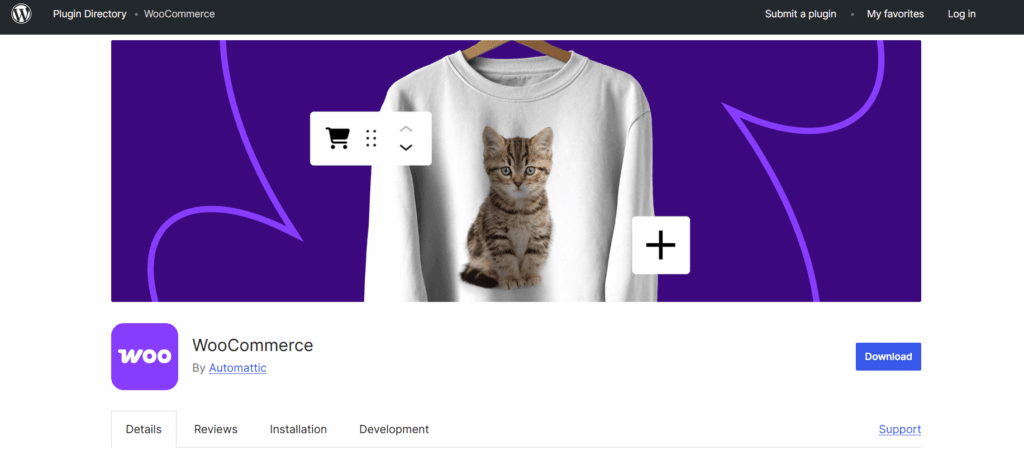
This open-source WordPress plugin turns any website into a full digital store. It’s a great choice for businesses with lots of content that care about SEO and owning their data.
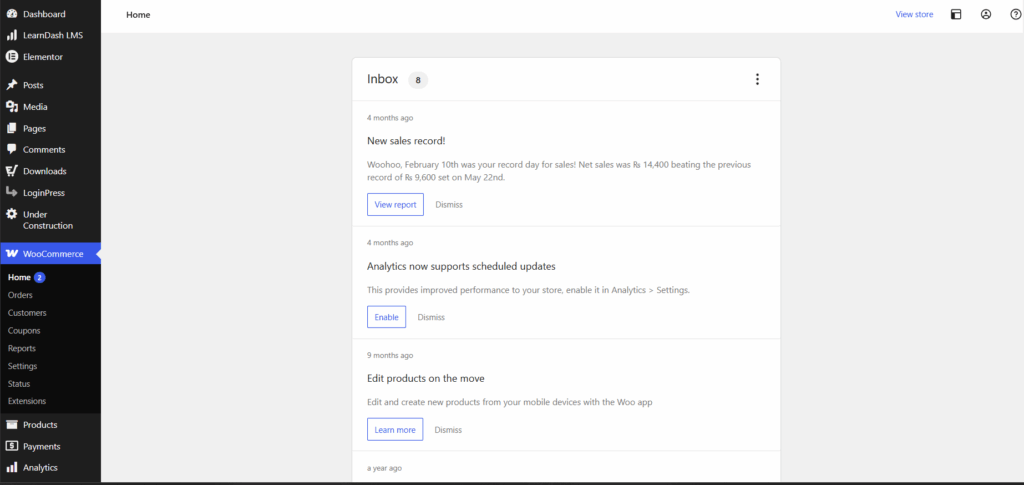
You have full control over the code, plenty of flexibility, and no subscription fees. The main software is free, so you only pay for hosting, your theme, and any extra features that you want. There are active community forums, and millions of businesses around the world use it successfully.
- Best for: Businesses wanting full platform ownership on WordPress.
- Pricing: Free core plugin. Hosting and extras depend on usage.
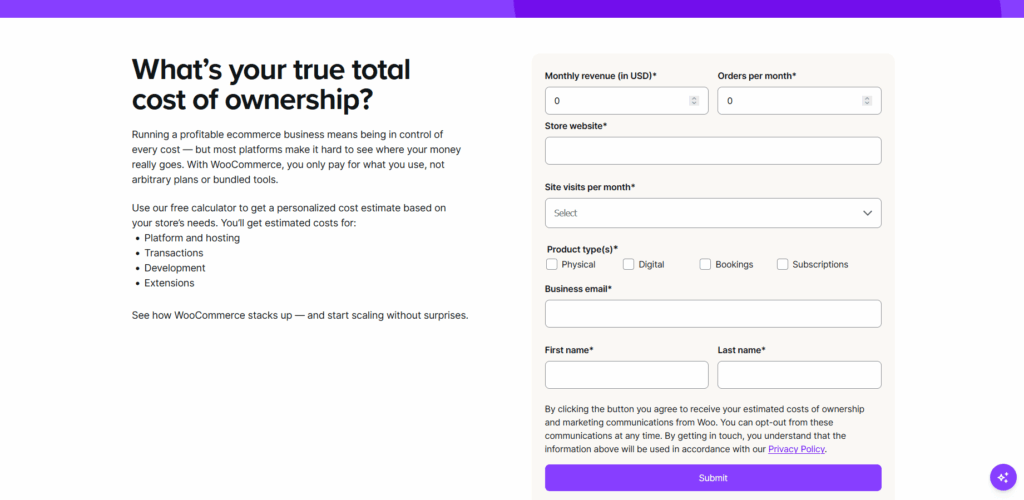
Pro Tip: You can make use of WooCommerce Price Estimator to analyze how much extras and hosting will cost you.
2. BigCommerce
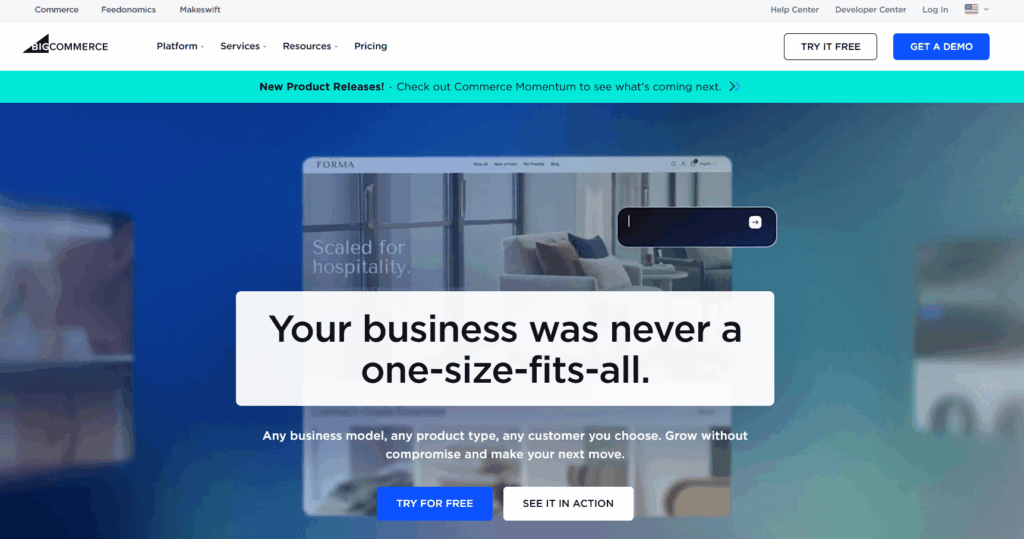
This platform offers powerful selling tools for businesses and does not add extra transaction fees. It works well for mid-sized companies with large product catalogs or B2B needs.
Features like multi-channel syncing, wholesale pricing, and support for international currencies are included.
More advanced data filtering tools are only available on higher-priced plans. Case studies show that it is reliable for growing retail brands.
- Best for: Fast-growing stores that need built-in wholesale features.
- Pricing: Pricing starts at $29 per month for the standard plan, with no transaction fees.
3. Wix
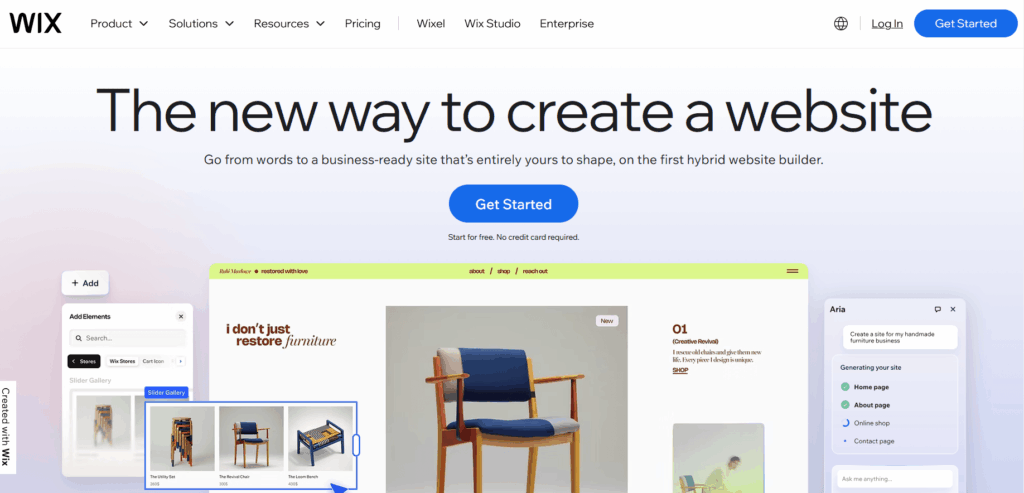
This website builder makes it easy and quick to set up a small online store. It’s designed for beginners and independent creators who prefer visual tools to technical details.
You get free, reliable hosting, built-in marketing features, and simple layout templates with its drag-and-drop system.
The initial setup is also guided, making it easy for non-technical users to create a compelling site with no coding.
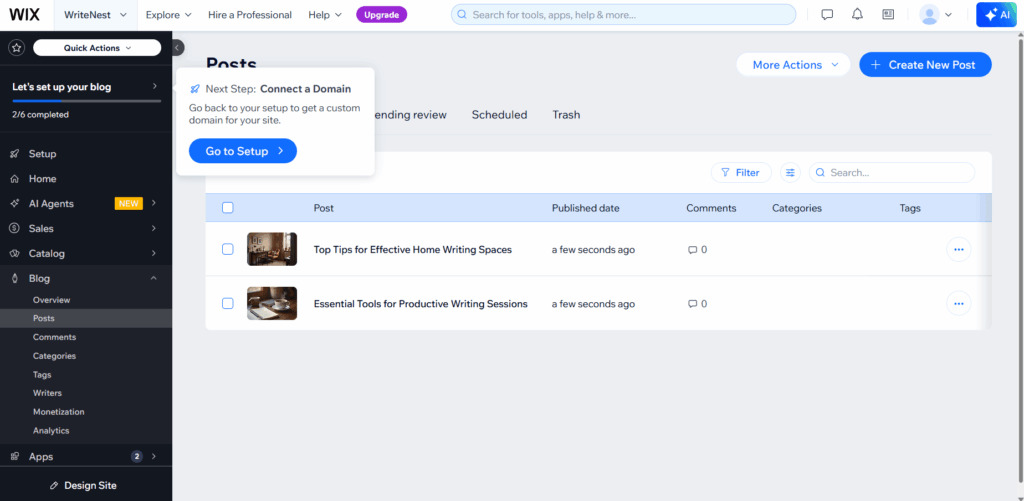
If you have a large product list, the site can slow down because the backend doesn’t support bulk editing well. Still, more than 200 million people worldwide use Wix for their websites.
To test, we created a test blogging site using their AI, which further sped up the site-setting process and made me an overall blog site.

- Best for: Small startups creating their first online store.
- Pricing: Basic ecommerce plans start at just over $17 per month.
4. Squarespace

Squarespace is known for its clean templates that highlight boutique products. It is a good fit for artists, local service providers, and small lifestyle brands.
The platform focuses on attractive typography, sharp images, and simple layouts. It also provides guided setups, which are helpful for non-technical users as well.
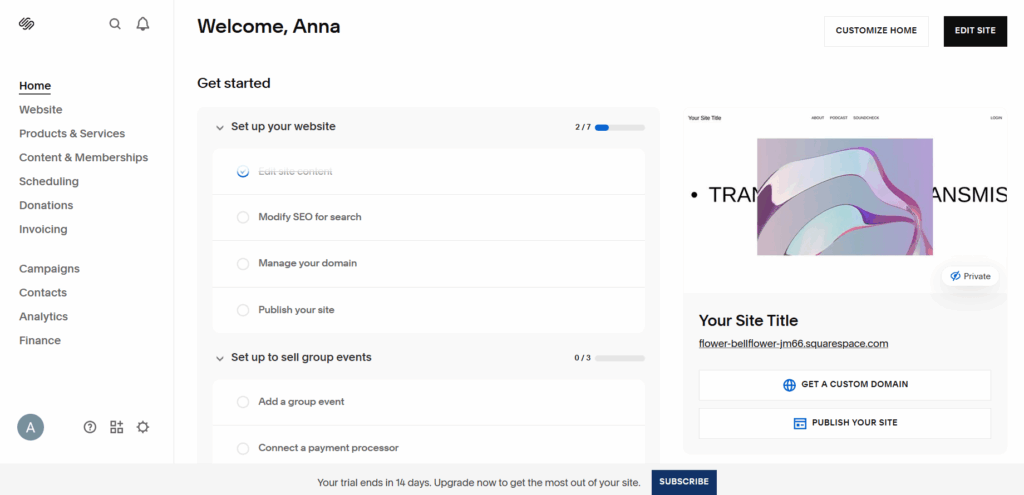
Some features, like advanced shipping tools and database connections, are only available on the highest business plan.
- Best for: Creative businesses with small, visually focused catalogs.
- Pricing: The basic plan starts at $12/month.
5. Shift4Shop

This retail platform comes with a wide range of store management tools included. It works well for merchants who handle steady sales and want to avoid paying for software subscriptions.
You do not have to pay a monthly platform fee if you use the built-in payment gateway. However, these savings do not apply if you choose an external credit card processor. This can help small businesses reduce their monthly costs.
- Best for: US merchants willing to use a specific payment processor.
- Pricing: Free for qualifying stores processing minimum monthly volumes.
6. Magento
This system is highly customizable and designed for large companies. It is best suited for organizations that have their own development teams and significant budgets.
The system can handle millions of products and complex database searches. It requires strong private server hosting because it uses a lot of computing power. Many global companies use this framework to manage their digital operations worldwide.
- Best for: Large enterprise brands with massive product inventories.
- Pricing: The main software is free, but building and maintaining it can be expensive.
7. Square Online
This storefront builder helps connect your physical store with online sales. It works well for boutique shops, coffee bars, and local restaurants.
The system automatically syncs with your inventory, point-of-sale hardware, and online orders. If you want advanced tracking, a custom domain, or third-party apps, you’ll need a paid monthly plan.
- Best for: Local retail shops already using point-of-sale hardware.
- Pricing: There’s a free base plan, and you only pay processing fees.
8. Sellfy
Sellfy is a simple storefront designed just for selling downloadable media files and merchandise. It helps authors, musicians, and digital creators who want to deliver files instantly.
The software automatically creates download links, streams videos, and handles print-on-demand orders.
However, its marketing analytics and third-party integrations are more limited than those of general retail platforms. Still, thousands of independent creators use Sellfy to earn money from their digital files.
- Best for: Digital creators selling ebooks, audio, or video files.
- Pricing: Starts at $22 per month, with set limits on how much revenue you can earn.
Which Software Platform Wins Head-to-Head?
We will be adding the top 5 software platforms that win as one of the best Shopify alternatives:
| Platform | Transaction Fees | Free Version | Best For |
| WooCommerce | None from software | Free open-source plugin | WordPress users wanting complete code ownership |
| BigCommerce | Zero on all plans | Free limited trial only | Growing brands requiring native wholesale tools |
| Shopify (Reference) | Extra gateway penalties | Temporary trial period | Rapid launch using fully managed infrastructure |
| Wix | Standard gateway rates | Limited free option available | Absolute beginners needing visual layout tempblates |
| Squarespace | Standard processing fees | Free trial period only | Boutique brands focusing on visual layout design |
Which Shopify Alternative Is Best for Your Store’s Stage?
The best Shopify alternative for you depends on where your store is right now. If you’re just starting out, fast-launch platforms like Wix or Squarespace are usually the easiest to use.
Established stores often save money by switching to WooCommerce. If your store is growing and making good monthly revenue, BigCommerce is often the best fit.
Choosing software that matches your store size helps you avoid paying for features you don’t need and keeps technical issues from slowing down your checkout process.
Which Platform Matches Your Store’s Current Volume?
| Store Stage | Recommended Platform(s) | Why |
| New/small store (just launching) | Wix or Squarespace | Fastest path to a live store with minimal technical setup and built-in design tools |
| Established store (predictable traffic, defined catalog) | WooCommerce | Lowest ongoing cost and most control once the catalog and traffic patterns are known |
| Scaling store ($10K+/month) | BigCommerce | Zero transaction fees and built-in B2B/multi-channel features matter more at higher volume |
Think of this structural breakdown as a helpful starting point, not a strict rule. Many retail brands blur these lines when they add custom subscriptions or wholesale options.
Taking a close look at your catalog size and technical resources now can help you avoid complicated platform changes down the road.
If you are not sure where your store fits, or if you are considering moving to an open-source WordPress setup, the custom store engineering team at WPBrigade can provide a clear second opinion.
FAQs
Which Shopify Alternative Should You Choose?
There is no single best Shopify alternative, only the one that fits your store’s current stage and priorities.
For most established stores looking to cut costs and gain control, WooCommerce is the strongest starting point, with BigCommerce as the upgrade path at higher volume.
What to do next for Shopify Alternatives to Create an Online Store :
- Identify the stage your store is in using our framework, and shortlist one or two platforms that align with it.
- Calculate your realistic total cost for hosting, themes, and plugins if WooCommerce is on your shortlist.
- Talk to an experienced development team before starting your migration to a custom WordPress build.
Get Help Building Your Ecommerce Store
Check more about the best comparison alternatives in our detailed guides:
Which Shopify limitation pushed you to look for an alternative? Drop your biggest hurdle in the comments below!

Leave a Reply