
In a crowded digital world, product-focused WordPress companies are not just building tools; they are building real trust and lasting relationships with users.
WordPress plugins are not just add-ons. They run your login system, store your user data, control your site’s speed, and shape how visitors experience everything from checkout to security.
Yet most site owners install plugins from companies they know almost nothing about.
A plugin may look polished on its landing page, but once it is installed, it gains deep access to your WordPress database, user accounts, and server resources. At that point, the real risk is no longer just bugs or missing features; it is who is behind the software and whether they will keep maintaining it.
This is why product-focused WordPress companies matter.
Trust in WordPress does not come from marketing claims. The company behind a plugin matters more than its feature list. When a plugin is abandoned, sold, or overloaded with dark-pattern monetization, your site suffers from breakage, security gaps, or forced migrations.
In this article, I’ll explain how to identify product-led WordPress companies and the trust signals for software that separate serious software builders from short-term plugin sellers.
If you have ever asked:
“What makes a WordPress product trustworthy?”
The answer starts with the company behind it, not the feature list.
Table of contents
- What is a Product-Focused WordPress Company?
- Why Trust Matters More in WordPress Than Other Software
- Trust Signals for Software Users Look for in WordPress Products
- How Product-Focused WordPress Companies Build User Trust
- How do WordPress Plugin Companies Build Trust More Than Single Plugins
- How WPBrigade Demonstrates Product-Focused Principles
- How to Build a Trusted WordPress Plugin Stack
- Frequently Asked Questions
- Product-Focused WordPress Company: Conclusion
What is a Product-Focused WordPress Company?
A product-focused WordPress company is not defined by how many plugins it ships or how aggressive its marketing is. It is defined by how it treats its software after users install it.
In practical terms, product-focused WordPress companies:
- Build plugins as long-term software products, not disposable downloads
- Invest in usability and reliability, not just feature volume
- Prioritize stability and compatibility over chasing trends
- Design for real workflows inside WordPress, not just sales funnels
This is what “product led WordPress companies” really means.
A product-focused company thinks in years, not campaigns. It plans for:
- WordPress core updates
- PHP version changes
- Evolving user needs
- Performance and security expectations
Their plugins are maintained, refined, and supported because the company expects people to rely on them in production environments, not just test them and move on.
By contrast, many WordPress businesses operate in download mode rather than product mode. They release plugins to capture installs, then shift attention to the next idea, bundle, or promotion. Over time, this leaves users with abandoned tools, broken compatibility, and rising technical risk.
Understanding this difference is the foundation of WordPress product trust.
When you install a plugin, you are not just choosing software; you are choosing a company to keep maintaining part of your site.
Why Trust Matters More in WordPress Than Other Software
Most software runs in isolation. WordPress plugins do not. User trust in WordPress plugins is more critical than in almost any other type of software.
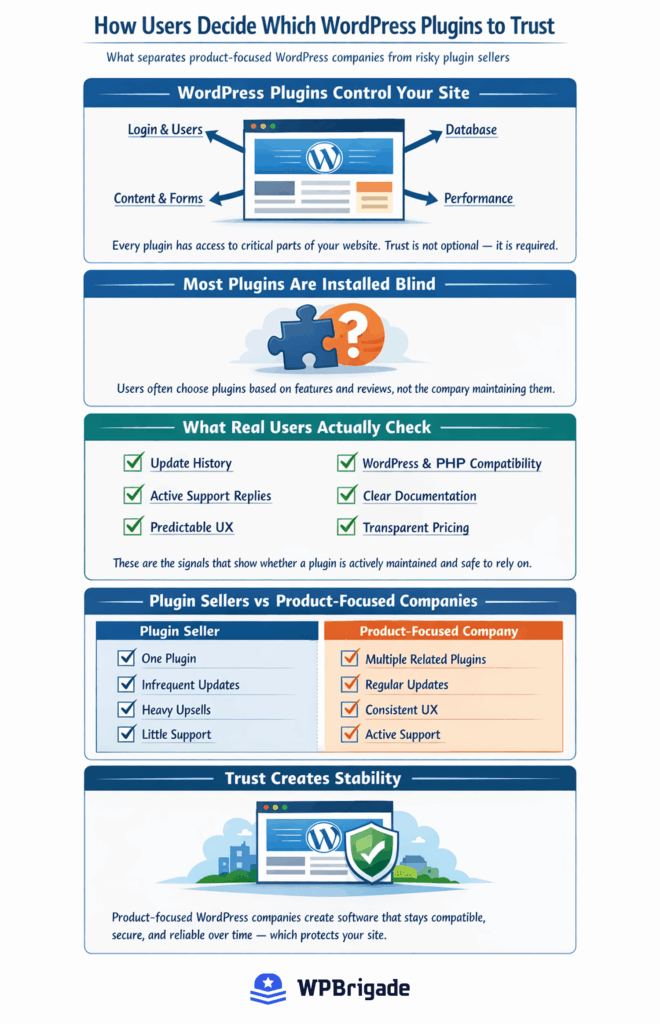
When you install a plugin, you are giving a third-party company direct access to some of the most sensitive parts of your site, including:
- Your WordPress database
- User accounts and login systems
- Site performance and caching layers
- Content, forms, and customer data
This is why user trust in WordPress plugins is more critical than in almost any other type of software. A poorly maintained or abandoned plugin does not just stop working. It can expose security vulnerabilities, slow down your site, or break core functionality.
The biggest risk is not that a plugin has a bug today.
The real risk is what happens when the company behind it:
- Stops updating it
- Does not keep up with WordPress or PHP changes
- Fails to respond to support issues
- Or disappears entirely
At that point, your website becomes dependent on software that no one is actively responsible for.
Because WordPress is an ecosystem built on thousands of independent plugin vendors, the quality of your site is directly tied to the credibility and stability of the companies you rely on. This is what makes WordPress plugin credibility so different from choosing a standalone SaaS tool.
At this point, most site owners ask the same question: How do you evaluate plugin companies before buying?
The answer lies in the trust signals you can verify before installing anything.
Trust Signals for Software Users Look for in WordPress Products
Right now, many WordPress companies talk about trust using vague language like “consistent updates,” “stable UX,” or “long-term commitment.”
But serious users don’t trust slogans. They trust what they can verify.
When someone evaluates a WordPress plugin, the real question is not “Does this company sound reliable?”
It is: “Can I prove that this software is being maintained and supported right now?”
This is where product-focused companies separate themselves from plugin sellers.
Here are some trust signals users look for in WordPress plugins:
Changelogs That Reflect Platform Reality
A trustworthy plugin does not just ship random feature updates.
It releases new versions when WordPress core updates, when PHP versions change, and when security or compatibility issues emerge.
What to look for:
- Updates tied to WordPress core releases
- Compatibility fixes, not just new features
- A history of releases spread over months and years, not bursts followed by silence
Compatibility You Can Inspect
This shows that the company is actively maintaining the product inside a living platform.
Trustworthy plugins clearly state which versions of WordPress and PHP they support.
What to check:
- Does it list current WordPress versions (for example, WordPress 6.x)?
- Does it support modern PHP versions (such as PHP 8.x)?
- Are those values updated when WordPress changes?
Outdated compatibility listings are one of the strongest early warnings that a plugin is not being maintained.
Support Forum Activity
Support replies on WordPress.org or in ticket systems show whether a company is present after the sale.
You can see:
- How quickly they respond
- Whether answers are helpful
- If issues are resolved or ignored
Active, respectful support is one of the clearest forms of WordPress product trust.
Documentation and Onboarding
Serious products have real documentation, not just marketing pages.
Look for:
- Setup guides
- Troubleshooting steps
- Clear explanations of how the plugin works
Good documentation shows that a company expects users to rely on their software, not just install it and hope for the best.
Real, Usable Products
Product-focused WordPress companies build:
- Dashboards inside WordPress
- Working demos
- Practical configuration screens
This matters because real software exposes its design quality. A landing page can promise anything, but a usable interface reveals how much care went into the product.
Honest Pricing and No Dark Patterns
Trustworthy plugin companies make pricing predictable.
There are no forced upgrades, hidden limits, or manipulative renewal tactics. Users know what they are paying for and what happens if they stop paying.
This transparency directly affects WordPress plugin credibility.
Respect for Performance and Data
Plugins that avoid unnecessary tracking, bloat, and background processes show respect for your site.
They are designed to do one job well without quietly consuming resources or collecting data that is not required.
This restraint is a powerful trust signal because it proves the company is optimizing for user outcomes, not just internal metrics.
Long-Term Commitment
Finally, product-focused WordPress companies behave as if their plugins will still matter in three or five years.
Plugin Sellers vs Product-Focused Companies
Not all WordPress plugin companies operate the same way. Understanding the difference can help you choose software that earns your trust rather than just your install.
| Plugin Sellers | Product-Focused Companies |
| Chase trends and buzz features | Build long-term tools with real user needs in mind |
| Ship bundles of unrelated plugins | Ship focused, coherent products |
| Optimize for sales and marketing metrics | Optimize for user success and experience |
| Use aggressive upsells or marketing tricks | Let product quality and support speak for itself |
| Prioritize short-term adoption | Prioritize stability, updates, and ecosystem consistency |
The key distinction is simple: Plugin sellers focus on downloads, while product-focused companies focus on outcomes.
For WordPress users, this difference translates directly into site reliability and peace of mind. While plugin sellers may promise a lot upfront, the real test of trust comes after installation through updates, support, and ongoing performance.
Choosing a product-focused company ensures that your plugins are maintained, compatible, and supported over the long term, reinforcing plugin brand authority across your WordPress stack.
How Product-Focused WordPress Companies Build User Trust
Trust in WordPress plugins is not created by marketing claims; it is built through design and behavior. Product-focused companies earn confidence by how their software performs in real-world use.
Clean and Predictable UX
A simple, intuitive interface reduces confusion and anxiety. Users can navigate settings, dashboards, and features without guessing what will happen next. Predictable behavior, buttons, flows, and feedback make the plugin feel reliable.
No Hidden Flows or Forced Actions
Plugins that respect user choice do not force upgrades, collect unnecessary data, or hide important options. When everything is visible and optional, users feel in control.
Respect for WordPress Standards
Product-focused plugins follow WordPress coding standards, hooks, and interface conventions. This ensures compatibility and prevents conflicts, signaling to users that the company cares about long-term site health.
Consistent Behavior Builds Confidence
Trust grows when a plugin behaves consistently across updates. Unexpected changes, removed features, or hidden modifications erode confidence, while thoughtful, stable evolution reinforces it.
User trust is earned by the software itself, not by slogans or marketing campaigns. Companies that invest in design, stability, and respect for WordPress best practices naturally create plugins that users can rely on and continue recommending.
How do WordPress Plugin Companies Build Trust More Than Single Plugins
Relying on a single plugin from a single developer can be risky. If that developer abandons the plugin, your site may be left with broken functionality or security gaps.
Product-focused WordPress companies mitigate this risk by building plugin ecosystems, sets of related tools designed to work together seamlessly. Here’s why ecosystems inspire more trust:
- Commitment Demonstration: Maintaining multiple, connected products shows long-term dedication to solving real user problems, not just chasing installs.
- Shared UX and Consistency: When plugins share design patterns and workflows, users spend less time learning and troubleshooting.
- Future-Proofing: Ecosystems indicate that the company has a roadmap, vision, and resources to keep products updated over the years, reducing the chance of sudden abandonment.
So, serious WordPress companies build systems, not random tools. Installing a plugin that is part of an ecosystem is like choosing a partner for your site’s growth. It signals that the company is in it for the long haul.
How WPBrigade Demonstrates Product-Focused Principles
WPBrigade can be evaluated using the same trust signals described throughout this article: product scope, update behavior, UX consistency, and long-term maintenance.
What makes WPBrigade verifiable in this context is that it maintains multiple active WordPress products that operate in different, high-impact areas of a WordPress site, not just a single standalone plugin.
A Real, Inspectable Product Ecosystem
WPBrigade’s core products include:
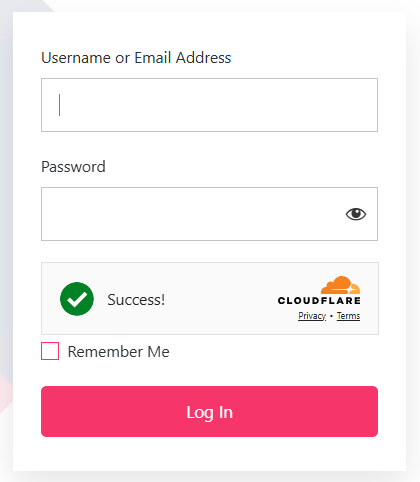
- LoginPress — controls and customizes WordPress authentication, login screens, and access behavior
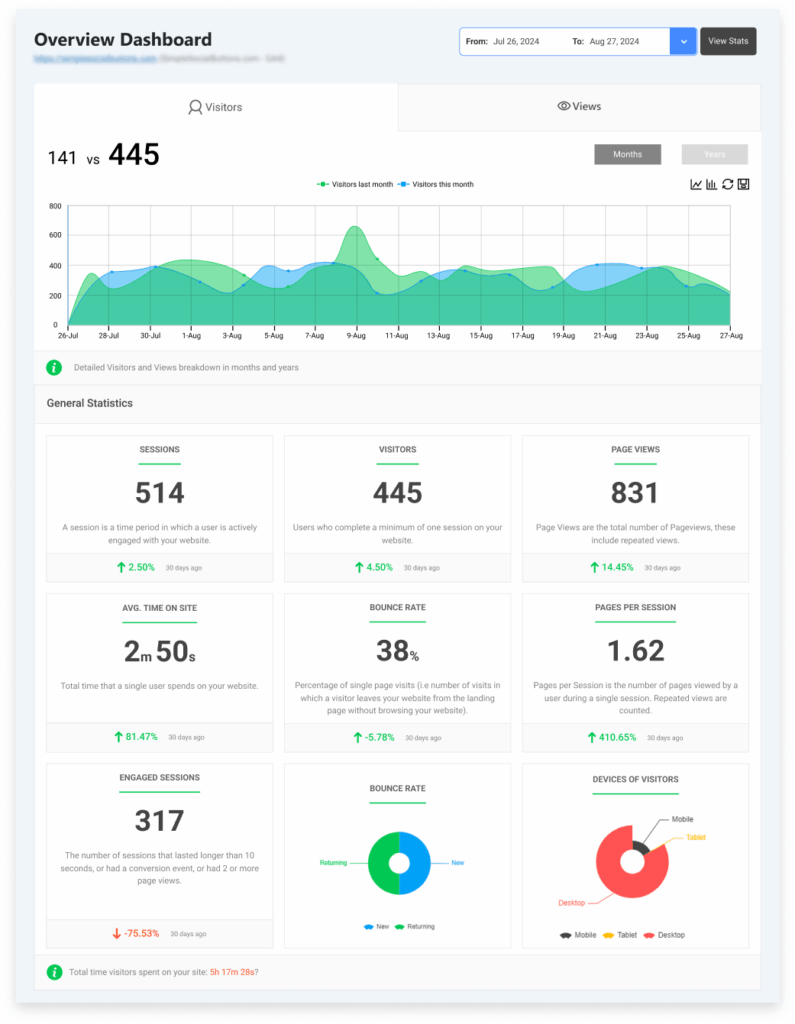
- Analytify — brings Google Analytics (GA4) reporting directly into the WordPress admin dashboard
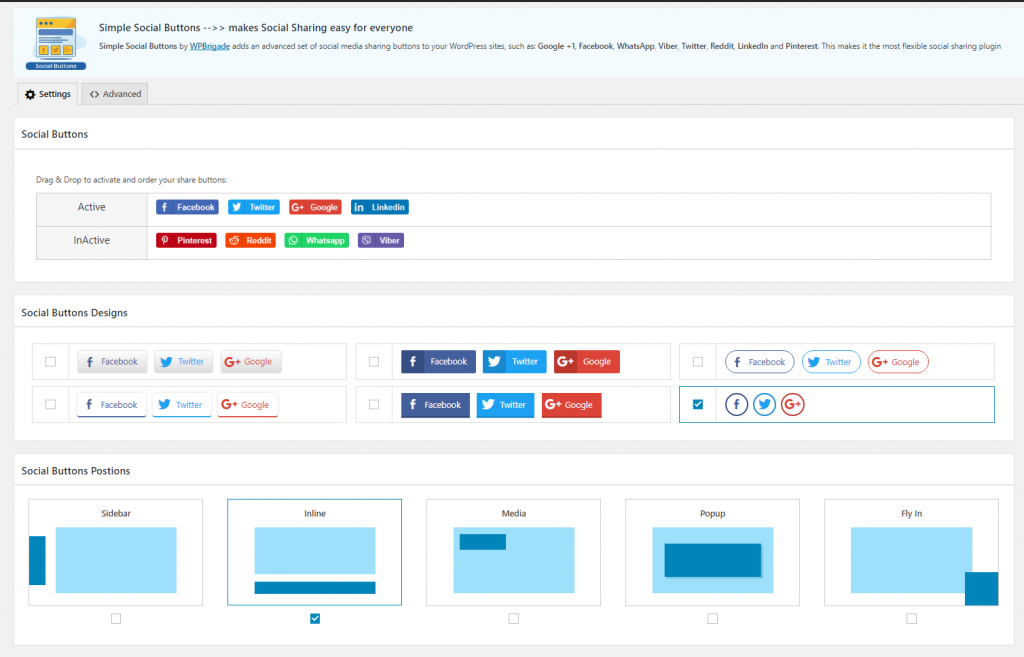
- Simple Social Buttons — adds and manages social sharing and engagement elements across site content
These products operate in three different but critical layers of a WordPress site:
- Authentication & access (LoginPress)
- Data visibility & decision-making (Analytify)
- Content interaction & audience growth (Social Buttons)
Together, they affect who can log in, how site owners understand performance, and how visitors interact with content. All areas that must remain stable, secure, and compatible as WordPress evolves.
That scope alone is a strong indicator of a product-focused WordPress company.
Observable Update and Compatibility Behavior
All three products expose what serious WordPress software should:
- Public version histories
- Regular updates
- Compatibility releases tied to WordPress and PHP changes
This allows users to verify whether the software is actively maintained rather than abandoned after launch. Ongoing compatibility work is one of the clearest real-world signals of WordPress plugin credibility.
Real Interfaces, Not Just Landing Pages
These plugins expose working interfaces inside WordPress:
- Login and access configuration screens (LoginPress)
- Analytics dashboards and reporting panels (Analytify)
- Share button placement, style, and behavior controls (Social Buttons)
These are production interfaces used on live sites. They make UX quality, performance impact, and workflow design visible to anyone who installs the plugins, something no marketing page can fake.
Performance and Data Boundaries
WPBrigade’s tools operate entirely inside WordPress without unnecessary third-party tracking, hidden scripts, or background data collection.
- LoginPress manages authentication
- Analytify visualizes GA4 data
- Social Buttons adds front-end sharing without turning the site into a tracking platform
Each plugin does one job and respects the site’s performance, data, and user experience. That restraint is a concrete, inspectable trust signal.
Long-Term Product Commitment
Maintaining software that touches:
- logins
- analytics
- and front-end user interaction
requires continuous compatibility testing, support, UX refinement, and security work. That level of ongoing investment only exists when a company is building long-term products, not chasing short-term installs.
By every measurable standard established earlier in this article, WPBrigade fits the definition of a product-focused WordPress company: it builds and maintains real tools that WordPress sites depend on over time, not disposable plugins designed only to generate downloads.
How to Build a Trusted WordPress Plugin Stack
Choosing individual plugins is not enough. The companies behind them determine how reliable your site will be. Here’s how to build a trusted plugin stack:
1. Choose Companies, Not Just Plugins
Focus on vendors with a proven track record and multiple products. A company’s history of maintenance and support is more important than a single plugin’s feature set.
2. Prefer Ecosystems
Plugins designed to work together within the same ecosystem reduce compatibility issues, provide consistent UX, and demonstrate long-term planning.
3. Look for Transparency
Check update logs, roadmaps, support responsiveness, and documentation. Transparent practices are clear signals that the company values user trust.
4. Prioritize Support
A plugin is only as good as the help available when things go wrong. Active, helpful support prevents small issues from turning into critical site problems.
5. Check Performance and Data Practices
Ensure plugins avoid unnecessary bloat, tracking, or intrusive behavior. Trustworthy plugins respect your site’s speed, stability, and user privacy.
By following these principles, you can assemble a WordPress plugin stack that is reliable, maintainable, and built on genuine trust, not just marketing claims or trendy downloads.
Frequently Asked Questions
Poor or missing documentation
Hidden fees or forced upgrades
Lack of support visibility
Plugins that don’t follow WordPress standards or best practices
Product-Focused WordPress Company: Conclusion
WordPress is no longer just a content management system. It has matured into a robust platform where stability, clarity, and long-term reliability matter more than ever.
Users no longer simply install plugins; they invest trust in the companies behind them. They want software that works consistently, respects performance and data, and is supported over the long term.
WPBrigade builds WordPress products designed to earn trust over time, not chase installs. Each tool reflects focused design, ongoing maintenance, and a philosophy centered on real user outcomes.
When evaluating your own plugin stack, consider not just features, but the credibility, transparency, and ecosystem of the company behind them. Trust is built slowly, but its payoff is lasting: fewer site issues, confident decision-making, and software you can rely on.
Further Readings:
- How to Choose the Right WordPress Plugins Without Hurting Performance
- WordPress Technical Audits: What Agencies Look for Before Scaling
Now, I’d like to hear from you. When was the last time you checked whether the plugins on your site come from companies you actually trust?
Leave a Reply